Research Project
Exploring Hands-Free VR Interaction for Individuals with Cervical Spinal Cord Injury
Investigating Accessible Interaction Methods Through a Custom Multi-Level Game
Timeline
4 months
Skills
XR Development
Interaction Design
Game Design
Methods
Iterative Prototyping
User Testing
Accessibility
Problem
Individuals with cervical spinal cord injuries face significant barriers when interacting with digital and XR environments due to limited or no hand mobility.
Solution
This project combines gaze tracking with surface electromyography (sEMG) to enable accessible, game-based digital interactions that adapt to users’ residual muscle activity, creating inclusive experiences across conventional and immersive platforms.
Design Choices
Multimodal Interaction Approach
sEMG Motor Unit Detection: Utilized advanced neuromotor interface (wristband with 16 differential input channels) to capture subtle muscle activity signals for selection actions
Testing Environment Design
Non-XR Implementation: Pivoted from XR to traditional screen interface to eliminate motion sickness risks for participants with SCI
Structured Progression: Created 9 difficulty levels across 3 task categories (wheelchair navigation, glass filling, iPad interaction) to evaluate performance in practical scenarios
Comparative Analysis Framework: Designed testing protocols for both SCI participants and able-bodied individuals to establish meaningful performance benchmarks
Technical Implementation
Custom Game Development: Built a tailored evaluation platform from scratch to ensure appropriate difficulty scaling and accessibility
Data Analysis Pipeline: Developed comprehensive analysis tools using matplotlib, pandas, and numpy for performance evaluation
AI-Driven Ideal Path Generation: Implemented an AI agent to generate optimal paths for more accurate comparison against participant performance
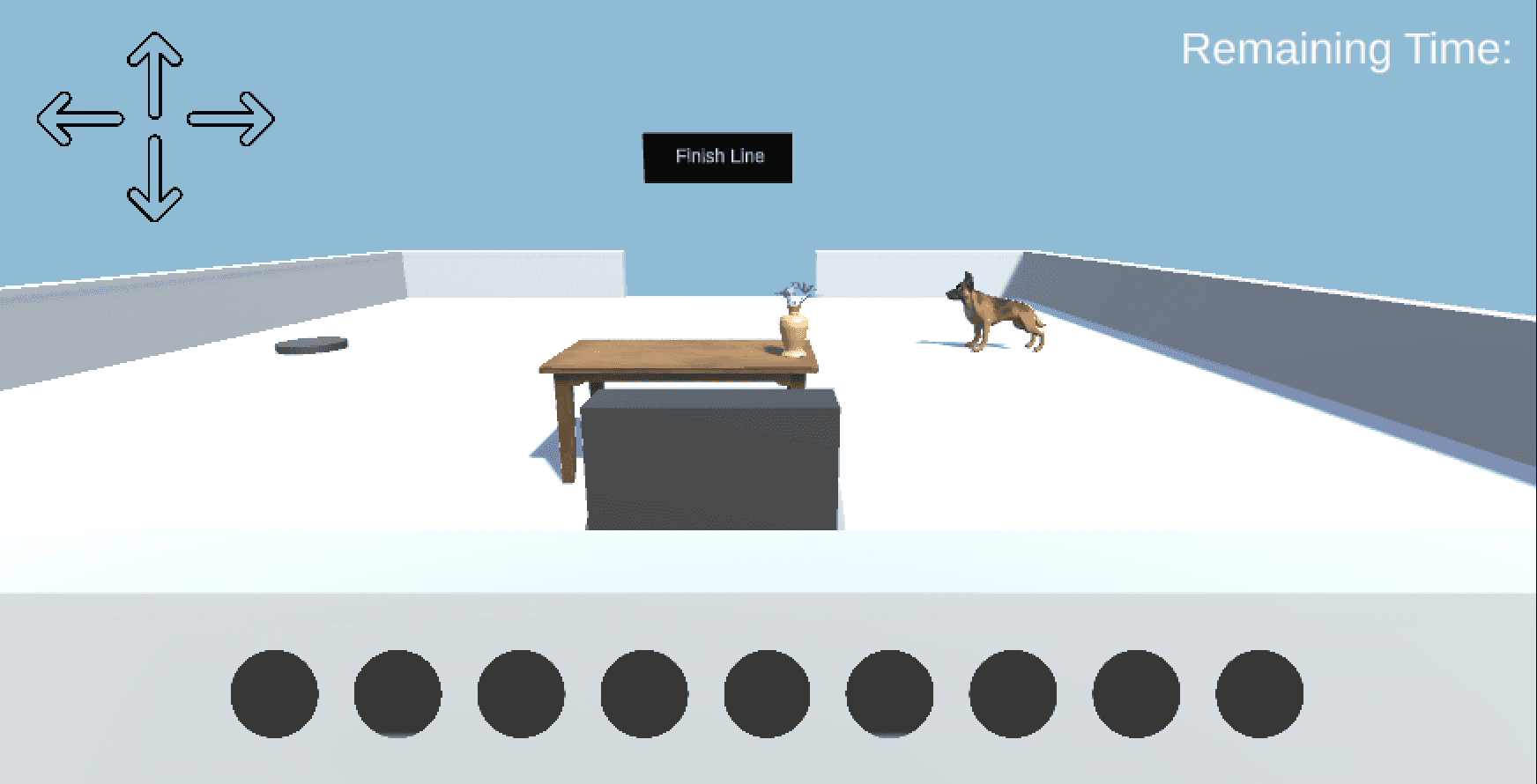
Project 001
Level 1
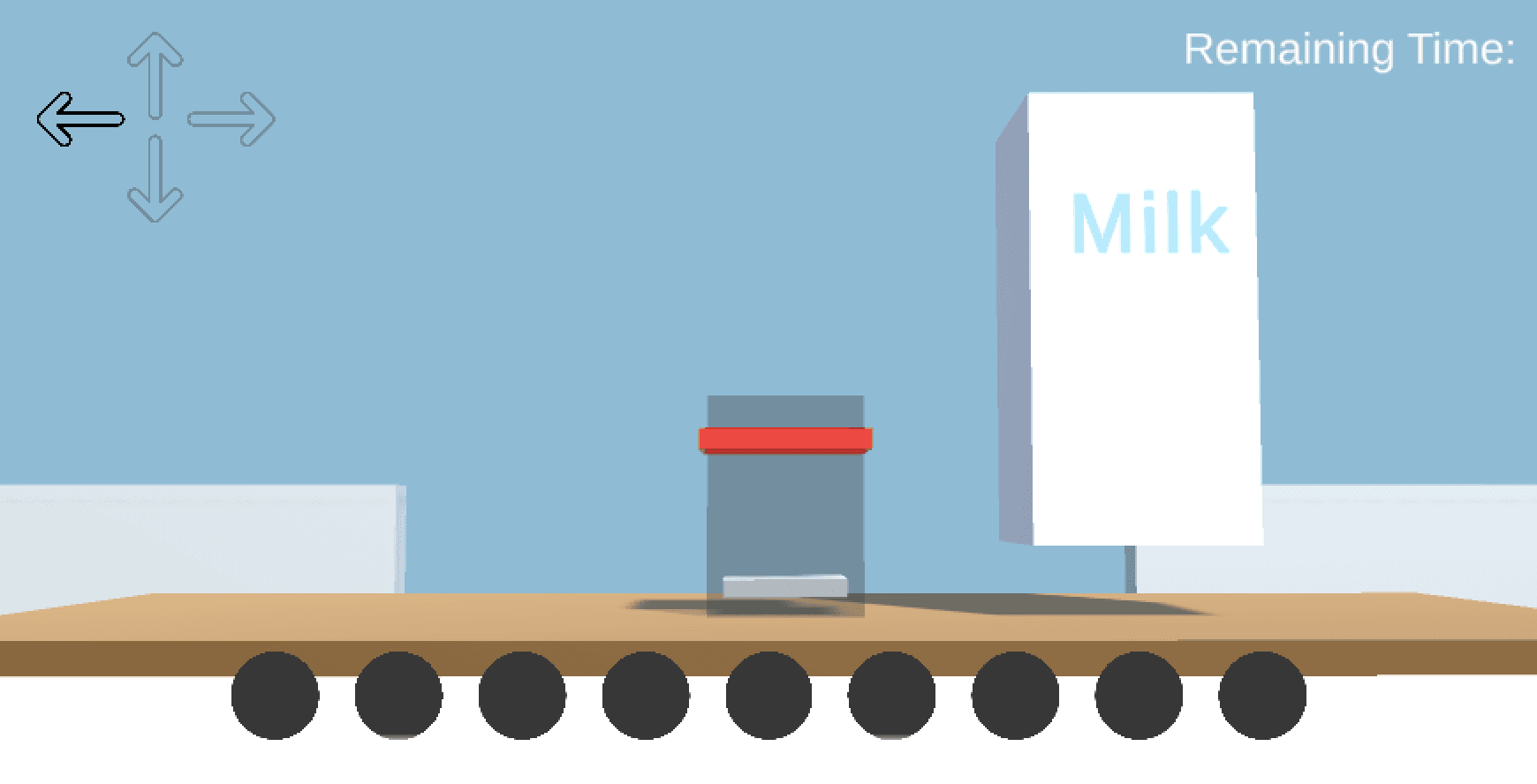
Project 002
Level 2